We’re a team within Rogers Behavioral Health that partners exclusively with schools — not on the clinical side, but on the preventative side. We provide training, coaching, consulting, and wellbeing experiences for educators. Our work is rooted in research, co-created with educators, and designed to strengthen the systems and relationships that help keep schools healthy.
School Mental Health & Wellbeing
We partner with schools and districts to build the whole school wellbeing supports that make a lasting difference for educators and students alike. Our team’s focus is on empowering educators — recognizing that their wellbeing is the cornerstone of a thriving school community. Research shows that investing in the mental health and stability of educators supports healthier learning environments, with growing evidence linking educator wellbeing to improvements in student wellbeing, mental health, and academic achievement.
What the research says:
Creating safe and inclusive classrooms fosters resilience and emotional regulation.
— Hamre & Pianta, 2005
Building trusting relationships improves behavior, wellbeing, and mental health.
— Cornelius-White, 2007
Wellbeing training reduces educator stress and leads to more effective teaching practices.
— Roeser et al., 2013
Why Partner With Us
As former educators, we understand the pressures your staff faces every day. We believe that when teachers are supported and their wellbeing is prioritized, it creates a ripple effect that directly benefits students. Our partnership is built on open communication, mutual respect, and a deep understanding of your unique context. Our approach begins with gaining a thorough understanding of your specific challenges and priorities. We then tailor our services to align with your existing initiatives and goals to create impactful and sustainable change.
What We Offer
Each partnership looks different. Together, we'll figure out what combination makes sense for where you are right now.
Training & Professional Learning
Practical, engaging workshops that connect mental health research to everyday classroom practice.
Coaching
Confidential, one-on-one or team coaching for leaders and staff with a focus on wellbeing, growth, and sustainability.
Systems-Level Consulting
Support for school and district leaders who want wellbeing embedded into the structures they already use.
Educator Wellbeing & Resilience
Programs that help educators thrive in a demanding profession because supporting students begins with supporting the adults.
Not sure where to start? Consider your goals, your challenges, your priorities, your dreams of what could be. Then reach out to us!
How It Works
We don't arrive with assumptions or a pre-determined plan. We show up with curiosity, care, and a genuine desire to understand what matters most to you. Every partnership starts with listening and ends with something that genuinely fits your community.
1
We Start with a Conversation
Every partnership begins by getting to know your school. We’ll connect with you to hear what’s working, what’s challenging, and what your community most needs — before we ever recommend anything.
2
We Build Something That Fits
Based on what we learn, we co-design an approach tailored to your school’s specific context, culture, and goals. That might be a single staff training, an ongoing coaching relationship, a wellbeing initiative, or something else entirely.
3
We Stay in It with You
We don’t hand something off and disappear. We stay connected — reflecting on what’s working, adjusting as your needs evolve, and building a partnership that deepens over time. This isn’t a program. It’s a relationship.
"You know your school community best. Our goal is to co-create something that is aligned with your values and responsive to your needs."
fall of 2026
We are offering two opportunities for Sheboygan County educators in the Fall of 2026.
The Year One Collective is a monthly community of practice designed specifically for first-year teachers across Sheboygan County. A space built not around curriculum or compliance, but around you. Each 90-minute gathering centers your wellbeing first, opening with dedicated time to check in, breathe, and honestly engage with the emotional landscape of your first year. From there, the space opens up: for conversation, connection, shared problem-solving, or simply being in the company of people who get it.
Teaching is relational work and so is learning to teach. The Year One Collective is grounded in the belief that new educators grow best not in isolation, but in community with peers who are navigating the same terrain, and with facilitators who are here to support (not evaluate) that journey. Whether you’re finding your footing or already hitting your stride, this is your space. This group will grow throughout the year, and all teachers in their first year in the profession are welcome.
Save the Date! Our first gathering will be from 3:00pm – 4:30pm on Wednesday, August 19th, 2026. If you want to learn more, including the location once it is determined, please complete this form.
Some of the most important conversations you have as an educator happen in the margins — a hallway check-in, a tense exchange after class, a colleague who’s struggling and doesn’t quite know how to say it. What if you could show up differently in those moments — not with more advice, but with better questions? Shift the Conversation: Coaching Skills for Educators is a four-session, hands-on series that builds the coaching skills educators use every day: how to really listen, how to ask questions that open things up instead of shutting them down, and how to guide a conversation toward clarity and action without taking the wheel.
Across four interactive sessions, you’ll practice each skill in real educator scenarios and learn how to apply them with both students and colleagues — wherever conversations matter most in your work. No prior coaching experience needed. Just a willingness to try something different and see what opens up.
We will meet at Rogers Behavioral Health in Sheboygan from 8:00am – 10:00am on October 7th and 21st and on November 4th and 18th. If you are interested in learning more or registering for this opportunity, please complete this form.
"You know your school community best. Our goal is to co-create something that is aligned with your values and responsive to your needs."
Get in Touch
Ready to connect?
Whether you are in need of a single training; longer-term partnerships for planning, delivering, and ongoing support; or shorter engagements for emerging needs, we welcome the chance to talk!
We have had the privilege to partner with staff from the following school districts and youth-serving organizations:











It all started with Coaching for Success
The Training-to-Practice Gap in Schools
Wisconsin schools spend millions of dollars and tens of thousands of hours annually training educators in trauma-informed care, mental health first aid, restorative practices, and social-emotional learning. Yet despite this investment, only 5% of educators feel prepared to apply these skills in real classroom settings. The disconnect happens because training occurs in calm, controlled environments, while actual classrooms are emotionally dynamic and unpredictable. Meanwhile, student services professionals like counselors and social workers primarily work one-on-one with individual students rather than supporting the teachers who interact with children every day.
Coaching for Success
To bridge this gap, Rogers Behavioral Health Foundation — backed by philanthropic funding — partnered with mental health, school, and community leaders to create Coaching for Success, a free, community-based program that reorients student services professionals toward coaching their teacher colleagues. Rather than pulling students out of class, these mental health experts work directly with teachers to help them consistently apply social-emotional and behavioral strategies in their classrooms. The program runs over two years, totaling 50 hours of seminars, group sessions, and one-on-one coaching. Launched in Milwaukee in 2020, it expanded to Sheboygan County in 2023, with participants from several local school districts joining the first cohort there.
Looking Ahead: School Partnerships for Wellbeing
As the need for comprehensive mental health and wellbeing supports in schools continues to grow, Coaching for Success is evolving into something broader. The program is being renamed School Partnerships for Wellbeing which is a reflection of the expanded vision to build deeper, more sustainable connections between schools, mental health professionals, and communities. This pivot captures the heart of what the work has always been about: fostering the conditions in which both students and the adults who serve them can truly thrive.
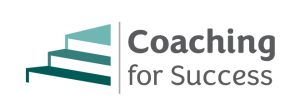
Here are some specific examples of what partnership with us can look like. Every plan is customized — this is just a starting point.
Classroom wellbeing auditClassroom teachers assess their current wellbeing supports, identify specific strengths and gaps, and actively engage with research-based strategies to create an action plan for supporting student wellbeing in the classroom. This audit is more than a checklist—it’s a mirror that reflects how your everyday choices shape the mental health and wellbeing of everyone in your classroom. By pausing to rate, reflect, and plan, you will:
|
Specialized mental health skill-building workshopsThis goes beyond basic literacy to provide staff with practical skills and techniques for managing specific situations and promoting positive mental health within the school. Examples
|
Adult SEL developmentJust as students benefit from developing social-emotional skills, so do adults. Adult SEL focuses on educators understanding their own emotions, managing impulses, setting goals, showing empathy, building healthy relationships, and making responsible decisions. Examples
|
Integration of mental health into curriculumEmbedding mental health education within the regular curriculum normalizes these topics, reduces stigma, and equips all students with foundational knowledge and skills related to their emotional well-being. Rogers’ understanding of key mental health concepts can inform curriculum development. Examples
|
Mental health literacy trainingThis partnership focuses on equipping school staff with a foundational understanding of mental health concepts, common disorders in children and adolescents, and the importance of early identification and intervention. Examples
|
Trauma-Informed practicesTrauma-informed practice recognizes the widespread impact of trauma and understands potential paths for recovery. In a school setting, this means understanding that students (and staff) may have experienced trauma and that these experiences can affect behavior, relationships, and learning. Training helps staff recognize the signs of trauma, respond in a way that avoids re-traumatization, and create a safe and supportive environment. It also includes understanding secondary trauma or compassion fatigue that educators may experience when working with individuals who have experienced trauma. Examples
|
Mindfulness and stress reduction workshops for staffMindfulness involves paying attention to the present moment without judgment. Stress reduction techniques are practical strategies designed to lower physiological and psychological responses to stress. Training in these areas equips educators with tools to manage the inherent demands and pressures of their job, cultivate a sense of calm, and increase their capacity to be present and responsive. Examples
|
Building resilience (CLE)Resilience is the ability to adapt well in the face of adversity, trauma, tragedy, threats, or significant sources of stress. Training in resilience helps educators identify their strengths, develop positive coping mechanisms, cultivate optimism, and build strong support networks. Examples
|
Enhancing school climate – for the staffSchool climate refers to the quality and character of school life. A positive school climate for staff is characterized by trust, respect, collegiality, collaboration, and a sense of belonging. Consultation focuses on identifying areas for improvement and implementing strategies to foster a more supportive and positive environment. Examples
|
Needs assessment and strategic planning (CLE)A systematic process of gathering information about the current state of staff wellbeing within the school, identifying key stressors, and understanding the needs and preferences of the staff. This data then informs the development of a targeted and effective plan for implementing wellbeing initiatives. Examples
|
Developing supportive policies and practicesExamining existing school policies, procedures, and unwritten norms to identify those that may contribute to staff stress or hinder wellbeing. Consulting on modifications or new policies that actively promote a healthy work environment. Examples
|
Consultation on school mental health systemsThis involves leveraging Rogers’ understanding of best practices in mental health care to advise schools on the development and implementation of comprehensive systems that support student and staff well-being. Examples
|
Integrating wellbeing into existing structuresEmbedding wellbeing initiatives within the school’s existing operational framework rather than treating them as separate, add-on programs. This ensures long-term sustainability and demonstrates that wellbeing is a priority. Examples
|
Leadership coachingCoaching specifically designed for school administrators and team leaders. This focuses on developing their leadership skills related to supporting staff wellbeing, creating a positive team culture, and effectively managing workplace dynamics that can impact stress levels. Examples
|
Individual wellbeing coachingA confidential and supportive partnership between a trained coach and an individual staff member. The coach helps the staff member identify their wellbeing goals, explore challenges, develop strategies, and build self-awareness and resilience. This is particularly helpful for staff experiencing high levels of stress, burnout, or those seeking to proactively enhance their wellbeing. Examples
|
Instructional coaching with a wellbeing lensIntegrating conversations and support around wellbeing into existing instructional coaching cycles. This recognizes that teacher wellbeing is intertwined with their classroom practice and provides a holistic approach to support. Examples
|
Peer coaching programsTraining selected staff members to serve as peer coaches for their colleagues. This leverages internal expertise and fosters a culture of mutual support within the school. Peer coaches can provide a confidential and relatable source of support, sharing strategies and offering encouragement. Examples
|