


This is the first of a two-part blog series examining the effects of perinatal health and its impact on women’s and men’s mental health.
What Is Maternal Mental Health?
Maternal mental health is the emotional, social, and mental well-being of a mother during or after pregnancy, and it has an impact on the entire family system1. Changes in the mother’s mental well-being can lead to mental health conditions that complicate pregnancy and childbirth, and these conditions are most likely to develop anytime from pregnancy up to one or two years after childbirth.
Who is affected?
Mothers of every age, income level, race and culture can develop a maternal mental health condition during pregnancy and within the first year or two postpartum. As many as 1 in 5 mothers and 1 in 10 fathers/partners experience symptoms of depression and anxiety after the birth of a child2. This happens more often among mothers and fathers/partners living in poverty and/or high stress environments, and those without support. Although not widely discussed, every year in the United States 10% of the 700 pregnancy-related deaths are due to mental health causes, including death by suicide, with the highest incidents taking place 6-9 months after childbirth3.
How is Maternal Mental Health Stigmatized?
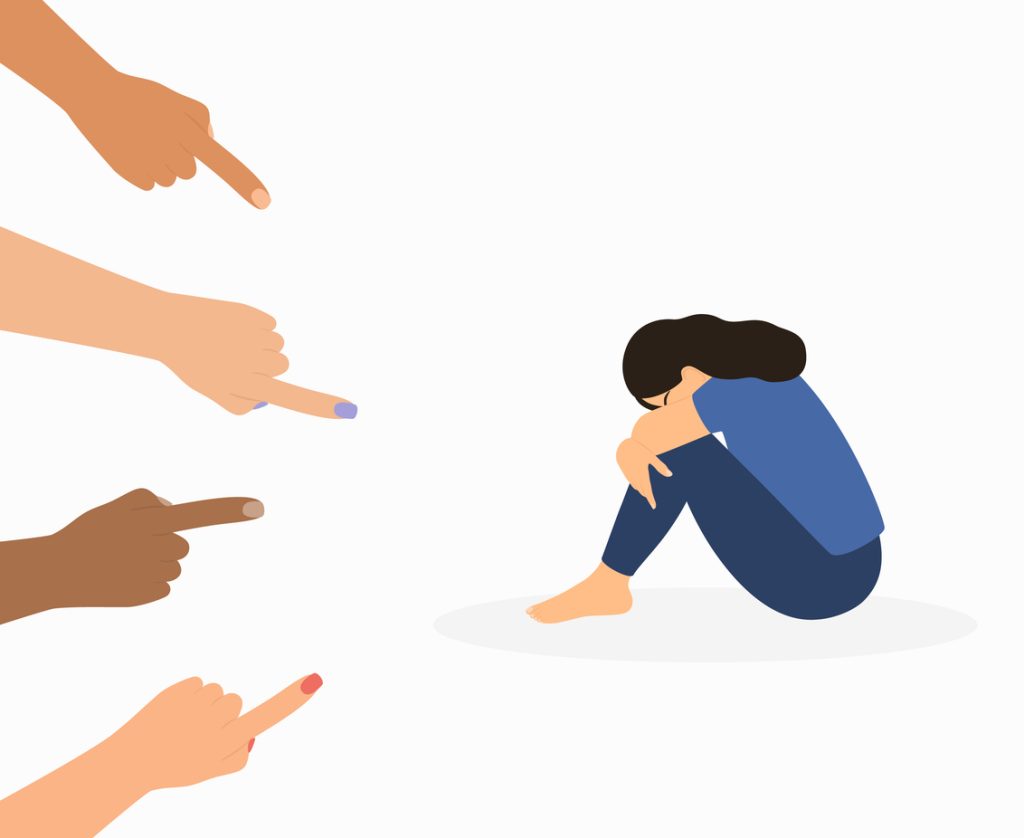
The stigma associated with maternal mental health is connected to society’s image of prenatal and postpartum women. Prenatally, the focus is on the progress of the pregnancy, and the belief that this is a joyous time for mothers, without any major concerns. In the postpartum phase the focus is on the development of the child. Mothers who experience mental health symptoms during either one of these phases are not considered to be “good mothers”, which can lead to feelings of shame, avoidance of maternal mental health services, fear of child welfare / child custody issues, and feelings of inadequacy leading to internalized stigma.4
What are the types of maternal mental health conditions?
Although depression and anxiety are the most frequently experienced maternal mental health conditions, other conditions may also include obsessive compulsive disorder (OCD), maternal PTSD (post-traumatic stress disorder), and maternal psychosis. Further description and symptoms for each of these mental health conditions can be found here: https://www.postpartum.net/perinatal-mental-health/
What are some of the risk factors to be aware of?
At-risk populations include:
What help is available?
There are national and local organizations that provide education, advocacy, and referrals for concerns related to perinatal mental health:
Call 800-944-4773 or text 503-894-9453
Text 1-833-TLC-MAMA
How can we all help?
References
1.Bergunde, L., Rihm, L., Lange, L., Darwin, Z., Iles, J., & Garthus-Niegel, S. (2024). Family mental health research – the importance of adopting a family lens in the perinatal period and beyond. Journal of Reproductive and Infant Psychology, 42(4), 565–568.
2. Griffen, A., McIntyre, L., Belsito, J., Burkhard, J., Davis, W., Kimmel, M., Stuebe, A., Clark, C., & Meltzer-Brody, S. (2021). Perinatal mental health care in the united states: An overview of policies and programs. Health Affairs, 40(10), 1543–1550.
3.Trost, S., Beauregard, J., Chandra, G., Njie, F., Berry, J., Harvey, A., & Goodman, D. A. (2022). Pregnancy-Related Deaths: Data from Maternal Mortality Review Committees in 36 US States, 2017–2019 | CDC. (2022, September 26).
4.The Lancet Regional Health-Europe (2024). Support not stigma: redefining perinatal mental health care. The Lancet regional health. Europe, 40, 100930.
Thomasina is a Licensed Clinical Social Worker, a Clinical Substance Abuse Counselor, and an Independent Clinical Supervisor with over twenty years of experience in various clinical settings. She is a Clinical Assistant Professor -Social Work Field Liaison in the Social Work Department at the University of Wisconsin-Milwaukee, co-founder of Black Clinicians Milwaukee, and serves on the WISE Executive Committee.

Here are some specific examples of what partnership with us can look like. Every plan is customized — this is just a starting point.
Classroom wellbeing auditClassroom teachers assess their current wellbeing supports, identify specific strengths and gaps, and actively engage with research-based strategies to create an action plan for supporting student wellbeing in the classroom. This audit is more than a checklist—it’s a mirror that reflects how your everyday choices shape the mental health and wellbeing of everyone in your classroom. By pausing to rate, reflect, and plan, you will:
|
Specialized mental health skill-building workshopsThis goes beyond basic literacy to provide staff with practical skills and techniques for managing specific situations and promoting positive mental health within the school. Examples
|
Adult SEL developmentJust as students benefit from developing social-emotional skills, so do adults. Adult SEL focuses on educators understanding their own emotions, managing impulses, setting goals, showing empathy, building healthy relationships, and making responsible decisions. Examples
|
Integration of mental health into curriculumEmbedding mental health education within the regular curriculum normalizes these topics, reduces stigma, and equips all students with foundational knowledge and skills related to their emotional well-being. Rogers’ understanding of key mental health concepts can inform curriculum development. Examples
|
Mental health literacy trainingThis partnership focuses on equipping school staff with a foundational understanding of mental health concepts, common disorders in children and adolescents, and the importance of early identification and intervention. Examples
|
Trauma-Informed practicesTrauma-informed practice recognizes the widespread impact of trauma and understands potential paths for recovery. In a school setting, this means understanding that students (and staff) may have experienced trauma and that these experiences can affect behavior, relationships, and learning. Training helps staff recognize the signs of trauma, respond in a way that avoids re-traumatization, and create a safe and supportive environment. It also includes understanding secondary trauma or compassion fatigue that educators may experience when working with individuals who have experienced trauma. Examples
|
Mindfulness and stress reduction workshops for staffMindfulness involves paying attention to the present moment without judgment. Stress reduction techniques are practical strategies designed to lower physiological and psychological responses to stress. Training in these areas equips educators with tools to manage the inherent demands and pressures of their job, cultivate a sense of calm, and increase their capacity to be present and responsive. Examples
|
Building resilience (CLE)Resilience is the ability to adapt well in the face of adversity, trauma, tragedy, threats, or significant sources of stress. Training in resilience helps educators identify their strengths, develop positive coping mechanisms, cultivate optimism, and build strong support networks. Examples
|
Enhancing school climate – for the staffSchool climate refers to the quality and character of school life. A positive school climate for staff is characterized by trust, respect, collegiality, collaboration, and a sense of belonging. Consultation focuses on identifying areas for improvement and implementing strategies to foster a more supportive and positive environment. Examples
|
Needs assessment and strategic planning (CLE)A systematic process of gathering information about the current state of staff wellbeing within the school, identifying key stressors, and understanding the needs and preferences of the staff. This data then informs the development of a targeted and effective plan for implementing wellbeing initiatives. Examples
|
Developing supportive policies and practicesExamining existing school policies, procedures, and unwritten norms to identify those that may contribute to staff stress or hinder wellbeing. Consulting on modifications or new policies that actively promote a healthy work environment. Examples
|
Consultation on school mental health systemsThis involves leveraging Rogers’ understanding of best practices in mental health care to advise schools on the development and implementation of comprehensive systems that support student and staff well-being. Examples
|
Integrating wellbeing into existing structuresEmbedding wellbeing initiatives within the school’s existing operational framework rather than treating them as separate, add-on programs. This ensures long-term sustainability and demonstrates that wellbeing is a priority. Examples
|
Leadership coachingCoaching specifically designed for school administrators and team leaders. This focuses on developing their leadership skills related to supporting staff wellbeing, creating a positive team culture, and effectively managing workplace dynamics that can impact stress levels. Examples
|
Individual wellbeing coachingA confidential and supportive partnership between a trained coach and an individual staff member. The coach helps the staff member identify their wellbeing goals, explore challenges, develop strategies, and build self-awareness and resilience. This is particularly helpful for staff experiencing high levels of stress, burnout, or those seeking to proactively enhance their wellbeing. Examples
|
Instructional coaching with a wellbeing lensIntegrating conversations and support around wellbeing into existing instructional coaching cycles. This recognizes that teacher wellbeing is intertwined with their classroom practice and provides a holistic approach to support. Examples
|
Peer coaching programsTraining selected staff members to serve as peer coaches for their colleagues. This leverages internal expertise and fosters a culture of mutual support within the school. Peer coaches can provide a confidential and relatable source of support, sharing strategies and offering encouragement. Examples
|