
I have been a nurse since 1991. There was never anything else I wanted to do. But in 2004, I lost nearly everything when I was caught diverting drugs from the hospital I worked for. It started with a prescription after a surgical procedure in 1997. Life was stressful and those pills made it better. In the years following, I found reasons to get more pills and one day, when working in an emergency room, I started taking wasted controlled substances. My use escalated after a divorce. Around 2003 I tried fentanyl and found myself unable to stop. I eventually started stealing it from the stock. After that it didn’t take them too long to discover what I was doing. By 2004, I was fired, had lost my nursing license, and ended up spending 4 months in jail after a re-offense.
Once released from incarceration, I threw myself into building a recovery community and lifestyle because I never wanted to return to substance use. Life with substance use disorder (SUD) was too painful to contemplate, and I vowed to continue to develop the skills I needed to stay clean and sober. I have done that since January 17, 2005, with no return to the use of substances.
I was, and am, an excellent nurse. I excelled in my practice and was looked at as a role model by my peers, I had exemplary yearly evaluations. But it still happened to me. I am certainly not the only nurse to go through this. SUD can happen to anyone, to any nurse. The American Nurses Association says that 10-15% of nurses suffer from some form of SUD and 6-8% of them are working impaired. Most experts agree that the pandemic has made it even more prevalent as nurses try to cope with a demanding, emotionally stressful, and at times overwhelming job, leaving them vulnerable.
When I was diverting, I wanted to stop so badly, but I could not. I didn’t know there was a monitoring program with the Wisconsin Board of Nursing (BON) called the Professional Assistance Procedure (Professional Assistance Procedure), that I could join that would help me find treatment, enable me to keep my nursing license, and ensure I practice safely. Most states have similar programs. But, even today, not many nurses know these programs exist.
Once in recovery for a couple of years, and with encouragement from my therapist, I applied to join the monitoring program through the Wisconsin BON. I was accepted into the program, but it was hard, and I wondered if I could make it through. I knew the rules and followed them, but there was no peer support at the time, and no one to guide me through. Many nurses quit the program, they just couldn’t afford it, or they couldn’t manage the strict rules. I didn’t know what to expect in the program and I was often fearful that I would do something wrong and lose everything again. I didn’t know that there were about 300 other nurses also going through the monitoring program, we had no way to connect with one another. I did complete the program and have my full licensure again, but it was more difficult than it needed to be.
Today I work with other nurses going through similar circumstances. I work as a certified recovery coach through a telehealth intensive outpatient program at Veritus (https://www.veritussolutions.com/). As a recovery coach, I work with nurses that are going through the same things I did. I know how it feels and how to navigate the ups and downs of recovery. I guide the nurses new to recovery and monitoring programs on what to expect and suggest different avenues to explore. I may not have all the answers, but I have been through it, and I understand. The emotions can be overwhelming: guilt, shame, remorse. It is a roller coaster that is different for everyone. But there are similarities and being able to talk with someone who has been through it, who understands what it entails, and who has returned to safe nursing practice, can be an invaluable resource. A resource I needed. A resource I can now be.
I also realized Wisconsin needed a peer support program for nurses with SUD, so I started one.
As I think back to my time in the Wisconsin BON’s monitoring program, I am amazed that I was able to complete the program. I was beyond grateful to be able to work as a nurse again, but I was also overwhelmed. The monitoring program was expensive and time consuming. I had a lot of anxiety and wondered if I would be able to complete all the components of the program while working a full-time job and raising 2 daughters on my own. I wanted to talk to someone about it, but I didn’t know anyone that was in or had gone through the program. It would have been immensely helpful to know what to expect, and to have someone to talk to about my anxieties, frustrations, and fear.
Fast forward to 2020, the COVID-19 pandemic was in full swing, and I started working with Veritus. It was in doing this work that I was introduced to nursing peer support organizations in other states. Programs like Statewide Peer Assistance for Nurses (SPAN) in New York (https://www.statewidepeerassistance.org/), Nurses Peer Support Network of Minnesota (https://www.npsnetwork-mn.org/), and the Intervention Project for Nurses in Florida (https://www.ipnfl.org/). These programs offer peer support to help nurses navigate early recovery, including working with monitoring programs. This was a revelation to me; I had no idea that such programs existed. It was then that I decided to start a similar program here in Wisconsin, and the Wisconsin Peer Alliance for Nurses (WisPAN) was born.
The first arm of WisPAN is peer support for nurses with a substance use issue and/or those going through monitoring programs. We are based in Wisconsin, but meetings are virtual and open to any nurse. That includes student nurses, LPNs, RNs, advanced practice nurses, and retired nurses. We hold twice weekly virtual meetings that are free, confidential, and anonymous. Each meeting is facilitated by a nurse in recovery.
The second arm of WisPAN is education. We believe all nurses, nurse leaders, and those working alongside nurses, need to have awareness of the issue of SUD in nurses. It is important that people know how to recognize it, what to do if they recognize it, and be willing to act if they do recognize it. We also believe it is imperative that nurses know about monitoring programs and peer support programs that are available to them. If a nurse develops a substance use issue, they need to know they have an option and a place to turn for help. The hope is that, through education, nurses with a substance use issue will seek help before it affects their nursing practice. To that end, we offer presentations on substance use disorder in nursing and we share our stories of recovery. We do this at colleges and universities, healthcare facilities and clinics, and healthcare conferences around the country. No group is too small or too large. Do you know someone who would benefit from this education? If so, please share our information with them.
There are many benefits to the type of peer support offered through programs such as WisPAN. First and foremost, nurses find that they are not alone. They find that there are others that have gone through, or are going through, similar circumstances. They can talk openly, and they find the support they need. The peer support offered by WisPAN is a bit different than other support type programs. Groups such as 12-step (AA or NA for example) and their meetings are incredibly valuable in teaching people how to live a life free of substances. WisPAN addresses additional issues specific to nurses such as: legal consequences, loss of licensure, working with a monitoring program, or regaining trust in the healthcare community. WisPAN does not offer professional counselors, but rather peers who have been through similar experiences and who use those experiences to help others navigate the ups and downs of being a nurse in recovery. They find guidance, acceptance, and understanding that they didn’t know existed. When nurses hear the stories of other nurses that have successfully completed a monitoring program and safely returned to nursing, it gives them newfound hope that they too can return to safe nursing practice.
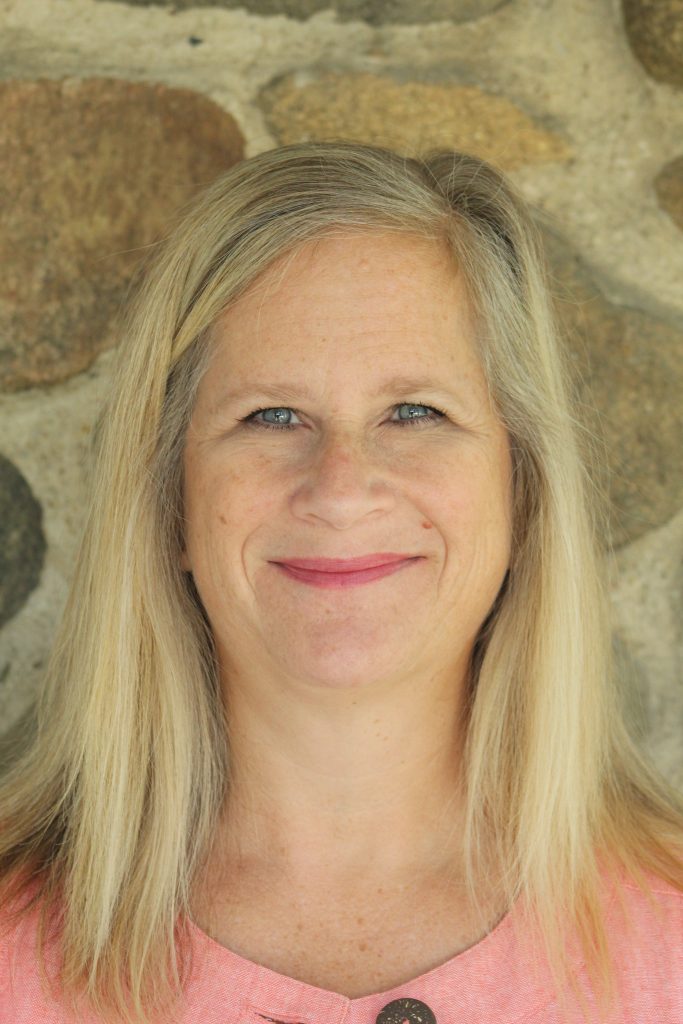
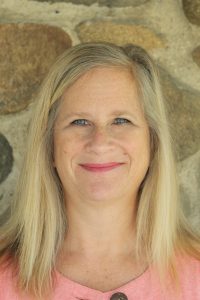
Kristin has been an RN since 1991. After losing much to alcohol and opioid use disorders, she found recovery in 2005. She now works as Director of Client Care and Head Nurse Coach with Veritus, a virtual treatment program for nurses with substance use and mental health disorders; founded and serves as chair of WisPAN (Wisconsin Peer Alliance for Nurses), a non-profit organization providing peer support for nurses with substance use issues; and is an emergency department nurse. She has published a book called, “An Unlikely Addict”, about her story of recovery and a textbook called “Substance Use Disorder in Healthcare Professionals, When Caregivers Need Care and Treatment.” She is a Certified Addictions Registered Nurse, CARN, and a Certified Professional Recovery Coach, CPRC.


Here are some specific examples of what partnership with us can look like. Every plan is customized — this is just a starting point.
Classroom wellbeing auditClassroom teachers assess their current wellbeing supports, identify specific strengths and gaps, and actively engage with research-based strategies to create an action plan for supporting student wellbeing in the classroom. This audit is more than a checklist—it’s a mirror that reflects how your everyday choices shape the mental health and wellbeing of everyone in your classroom. By pausing to rate, reflect, and plan, you will:
|
Specialized mental health skill-building workshopsThis goes beyond basic literacy to provide staff with practical skills and techniques for managing specific situations and promoting positive mental health within the school. Examples
|
Adult SEL developmentJust as students benefit from developing social-emotional skills, so do adults. Adult SEL focuses on educators understanding their own emotions, managing impulses, setting goals, showing empathy, building healthy relationships, and making responsible decisions. Examples
|
Integration of mental health into curriculumEmbedding mental health education within the regular curriculum normalizes these topics, reduces stigma, and equips all students with foundational knowledge and skills related to their emotional well-being. Rogers’ understanding of key mental health concepts can inform curriculum development. Examples
|
Mental health literacy trainingThis partnership focuses on equipping school staff with a foundational understanding of mental health concepts, common disorders in children and adolescents, and the importance of early identification and intervention. Examples
|
Trauma-Informed practicesTrauma-informed practice recognizes the widespread impact of trauma and understands potential paths for recovery. In a school setting, this means understanding that students (and staff) may have experienced trauma and that these experiences can affect behavior, relationships, and learning. Training helps staff recognize the signs of trauma, respond in a way that avoids re-traumatization, and create a safe and supportive environment. It also includes understanding secondary trauma or compassion fatigue that educators may experience when working with individuals who have experienced trauma. Examples
|
Mindfulness and stress reduction workshops for staffMindfulness involves paying attention to the present moment without judgment. Stress reduction techniques are practical strategies designed to lower physiological and psychological responses to stress. Training in these areas equips educators with tools to manage the inherent demands and pressures of their job, cultivate a sense of calm, and increase their capacity to be present and responsive. Examples
|
Building resilience (CLE)Resilience is the ability to adapt well in the face of adversity, trauma, tragedy, threats, or significant sources of stress. Training in resilience helps educators identify their strengths, develop positive coping mechanisms, cultivate optimism, and build strong support networks. Examples
|
Enhancing school climate – for the staffSchool climate refers to the quality and character of school life. A positive school climate for staff is characterized by trust, respect, collegiality, collaboration, and a sense of belonging. Consultation focuses on identifying areas for improvement and implementing strategies to foster a more supportive and positive environment. Examples
|
Needs assessment and strategic planning (CLE)A systematic process of gathering information about the current state of staff wellbeing within the school, identifying key stressors, and understanding the needs and preferences of the staff. This data then informs the development of a targeted and effective plan for implementing wellbeing initiatives. Examples
|
Developing supportive policies and practicesExamining existing school policies, procedures, and unwritten norms to identify those that may contribute to staff stress or hinder wellbeing. Consulting on modifications or new policies that actively promote a healthy work environment. Examples
|
Consultation on school mental health systemsThis involves leveraging Rogers’ understanding of best practices in mental health care to advise schools on the development and implementation of comprehensive systems that support student and staff well-being. Examples
|
Integrating wellbeing into existing structuresEmbedding wellbeing initiatives within the school’s existing operational framework rather than treating them as separate, add-on programs. This ensures long-term sustainability and demonstrates that wellbeing is a priority. Examples
|
Leadership coachingCoaching specifically designed for school administrators and team leaders. This focuses on developing their leadership skills related to supporting staff wellbeing, creating a positive team culture, and effectively managing workplace dynamics that can impact stress levels. Examples
|
Individual wellbeing coachingA confidential and supportive partnership between a trained coach and an individual staff member. The coach helps the staff member identify their wellbeing goals, explore challenges, develop strategies, and build self-awareness and resilience. This is particularly helpful for staff experiencing high levels of stress, burnout, or those seeking to proactively enhance their wellbeing. Examples
|
Instructional coaching with a wellbeing lensIntegrating conversations and support around wellbeing into existing instructional coaching cycles. This recognizes that teacher wellbeing is intertwined with their classroom practice and provides a holistic approach to support. Examples
|
Peer coaching programsTraining selected staff members to serve as peer coaches for their colleagues. This leverages internal expertise and fosters a culture of mutual support within the school. Peer coaches can provide a confidential and relatable source of support, sharing strategies and offering encouragement. Examples
|