

While dark skin denotes acceptance and a sense of belonging on the African continent, light skin raises questions of authenticity and a conflicted sense of identity. A division of individuals based on the difference of appearance began with slavery and colonialism and has led to discrimination and violence. It can have other forms, such as colorism, a concept intertwined with racism but distinct.
This article will explore why certain skin tones are exposed to forms of prejudice and look into the colonial legacies that still manifest within our society through media platforms and globalization processes.
Colorism discriminates against people according to their skin tone or shade. According to Hunter, colorism lies within the dual system of discrimination; but its outcome will differ dramatically by skin tone.
Colorism is not exclusive to the African American community. It negatively affects Africans throughout the diaspora through feelings of a lack of authenticity among those with lighter skin and feelings of inferiority among those with darker skin. It causes a divide between those who identify within the black African ethnic group.
The World Health Organization reported that 77% of Nigerian women use skin bleaching products regularly. Togo follows them with 59%, South Africa with 35%, and Mali at 25%.
The Dark Girls, a documentary released in September 2011, outlines the characteristics of colorism, Bill Duke and Channsin Berry direct it. Both directors were encouraged to produce the film after their personal experiences with discrimination due to their skin shades. Dark Girls explores the issue of colorism, a social form of bias, within Black culture against individuals, particularly women, of darker skin tones. Although racism is an equally important matter, colorism is a different phenomenon that needs to be addressed.
The documentary describes racial profiling as the beginning of the division between the ‘house negroes and the slave negroes’. Those who could successfully pass the ‘brown paper bag test,’ a test that looked at whether you are lighter or darker than a paper bag. Therefore, allowing for the internalization of the idea that those with darker skin were the lowest of human beings. Those with lighter skin were considered superior among descendants of African ethnicity.
From 1619 to 1865, slaves were treated like animals and considered property. Slaves were commodities, unworthy of the rights that white people benefitted from. Slave owners raped their women slaves, which produced lighter skin tones for their offspring.
Individuals with mixed black and white ancestry (Mulattos) had some privileges over those with darker skin color. Many slave owners preferred lighter skin slaves. They assigned them positions where they could remain inside rather than work outside.
An article written in Forbes magazine reported that ‘147 million people worry about their identities. Colorism is also evident within Africa, which many scholars have also identified as a colonial legacy, as European settlers socially implemented it in the 19th century through concepts of racial profiling.
Rwanda is an example of Europeans using differences in African Ethnicity as an instrument for applying western social constructs of hierarchy (Pareisse 2014). Colonial administrators attempted to form order and decentralize the tribes by giving specific power and privileges to the Tutsis because they were ‘whiter’ than the Hutus (San 2010). Europeans measured the noses, skin color, temples, and faces of the African ethnic groups, to determine who was superior or closer to the Europeans.
The colonial administrators gave more power to the Tutsis. They were more ‘white than the Hutus.’ This allowed a complex of social superiority to evolve amongst the different groups. The slave owners performed a similar case in the U.S.
A recent study by the University of Cape Town suggests that in South Africa, one in three women bleaches her skin. The women say they use skin-lighteners because they want “white skin.” Skin bleaching is widespread from Africa through Asia and the Middle East to North and South America – promoting light skin as the standard of female beauty.
Skin whitening cream has become a big industry in the global beauty industry. Sales grew to $43 billion in 2008 (Dark Girls 2011, Norwood 2015). Africans accounted for significant portions of sales in Africa and African Americans in the United States (Dark Girls 2011).
Bleaching agents destroy or stop melanin production, the pigment responsible for skin color. Without Melanin, the skin becomes vulnerable to UV light and leads to cancer. Many of these skin bleaching products have hydroquinone, a substance that thins the skin to the extent that it easily rips and becomes hard to repair.
In pre-colonial Congo, dark skin was preferred to such an extent that parents put babies in the sun to become darker. However, today, 30-40% of women in the Congo use skin whitening cream.
Darker-skinned people worldwide continuously attempt to change their appearance to conform to socially constructed pre-existing stereotypes. Because of the white supremacy that exists, which subconsciously infers that to live successfully, one must conform to the social appearances of mainstream society.
In the documentary, “lighter skin women said they felt they had to prove they were Black when in front of members of the community who were of darker skin tones/” (Dark Girls 2011).
Major media publications like Time Magazine and the Los Angeles Times published articles that used headlines such as ‘Is Obama Black Enough?’ (Coates 2007). Questions surrounded the ethnic legitimacy of President Barack Obama not being black enough.
“The documentary accurately encapsulates the damaging effects media plays in shaping colorism and allowing for its perpetuation through the choice of actors, presenters, and musicians broadcasted globally. White women are the primary women in black music videos.” (Dark Girls 2011).
The media continues to broadcast lighter skin tones by choosing those of lighter skin (Gabriel 2007). “Once those of darker skin makes it to the media outlets, their image is often photoshopped, altering darker-skinned individuals’ skin color to lighter skin tones.”
Gabriel explores how dark skin women are depicted as welfare mothers, and dark-skinned men are gangsters or criminals. In contrast, Black individuals of lighter skin are shown to be the ‘leading woman’ or ‘heroines’ (Gabriel 2007). Media platforms allow this continuance of social domination by exporting images around the world of western beauty standards that subconsciously encourage women and men to alter their appearance.
“While the U.S. simultaneously exports imagery of the ‘good life’ with ‘white western beauty,’ it allows ‘African Americans to internalize white-dominated American society’s ideals and seek participation in the American Dream by becoming whiter.”
In Conclusion, media outlets and globalization maintain structural racism by consistently displaying white beauty with success and negative images of Black people synonymous with crime, poverty, and unhappiness. “It not only causes discrimination between those of the same ethnicity, and has multiple other subconscious implications that transcend cultural boundaries and allows prejudice to form a preference for lighter skin people within our global society” (Dark Girls 2011).
Colonialists and white imperialists have contributed to this conception of prejudice through early forms of racial Caste systems of categorization and role assignment, which have been able to infiltrate various cultures through the media and globalization processes (Dark Girls 2011, Norwood 2015).
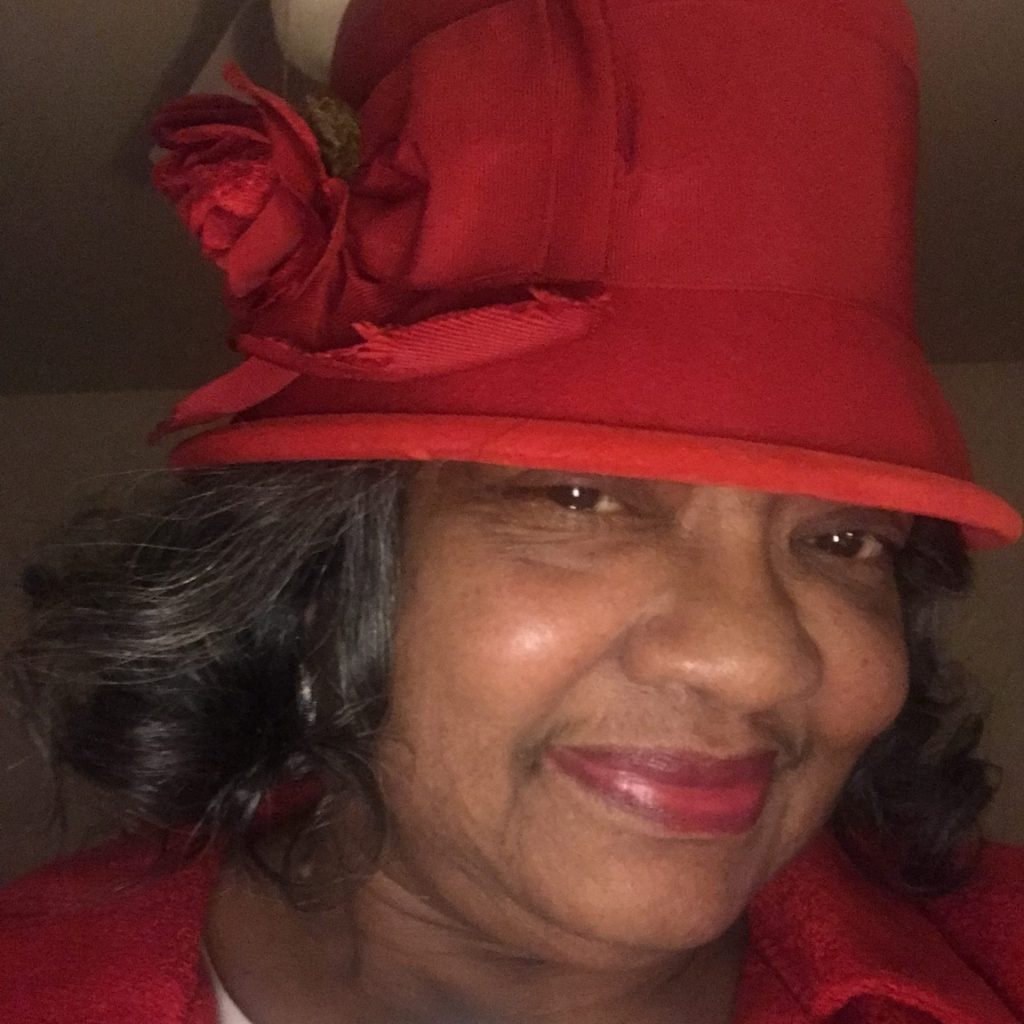
Heddy Keith M. Ed, CI, CPS is a retired master teacher, Hypnosis instructor, author, and speaker. She is the author of 3 books: Through it All: A Memoir of Love and Loss The story of her journey through grief and loss and healing from trauma. Through It All Trauma Recovery Journal and African American Scientists and Inventors an Accelerated Learning Curriculum, which teaches about the accomplishments of African American Scientists and inventors who contributed to our country and the world. Heddy is the founder and CEO of the Center for Leadership of Afrikan Women’s Wellness (CLAWW), whose mission is to increase awareness and develop a network of services and circles of individualized support for Black/African American women affected by trauma in Milwaukee County.

Here are some specific examples of what partnership with us can look like. Every plan is customized — this is just a starting point.
Classroom wellbeing auditClassroom teachers assess their current wellbeing supports, identify specific strengths and gaps, and actively engage with research-based strategies to create an action plan for supporting student wellbeing in the classroom. This audit is more than a checklist—it’s a mirror that reflects how your everyday choices shape the mental health and wellbeing of everyone in your classroom. By pausing to rate, reflect, and plan, you will:
|
Specialized mental health skill-building workshopsThis goes beyond basic literacy to provide staff with practical skills and techniques for managing specific situations and promoting positive mental health within the school. Examples
|
Adult SEL developmentJust as students benefit from developing social-emotional skills, so do adults. Adult SEL focuses on educators understanding their own emotions, managing impulses, setting goals, showing empathy, building healthy relationships, and making responsible decisions. Examples
|
Integration of mental health into curriculumEmbedding mental health education within the regular curriculum normalizes these topics, reduces stigma, and equips all students with foundational knowledge and skills related to their emotional well-being. Rogers’ understanding of key mental health concepts can inform curriculum development. Examples
|
Mental health literacy trainingThis partnership focuses on equipping school staff with a foundational understanding of mental health concepts, common disorders in children and adolescents, and the importance of early identification and intervention. Examples
|
Trauma-Informed practicesTrauma-informed practice recognizes the widespread impact of trauma and understands potential paths for recovery. In a school setting, this means understanding that students (and staff) may have experienced trauma and that these experiences can affect behavior, relationships, and learning. Training helps staff recognize the signs of trauma, respond in a way that avoids re-traumatization, and create a safe and supportive environment. It also includes understanding secondary trauma or compassion fatigue that educators may experience when working with individuals who have experienced trauma. Examples
|
Mindfulness and stress reduction workshops for staffMindfulness involves paying attention to the present moment without judgment. Stress reduction techniques are practical strategies designed to lower physiological and psychological responses to stress. Training in these areas equips educators with tools to manage the inherent demands and pressures of their job, cultivate a sense of calm, and increase their capacity to be present and responsive. Examples
|
Building resilience (CLE)Resilience is the ability to adapt well in the face of adversity, trauma, tragedy, threats, or significant sources of stress. Training in resilience helps educators identify their strengths, develop positive coping mechanisms, cultivate optimism, and build strong support networks. Examples
|
Enhancing school climate – for the staffSchool climate refers to the quality and character of school life. A positive school climate for staff is characterized by trust, respect, collegiality, collaboration, and a sense of belonging. Consultation focuses on identifying areas for improvement and implementing strategies to foster a more supportive and positive environment. Examples
|
Needs assessment and strategic planning (CLE)A systematic process of gathering information about the current state of staff wellbeing within the school, identifying key stressors, and understanding the needs and preferences of the staff. This data then informs the development of a targeted and effective plan for implementing wellbeing initiatives. Examples
|
Developing supportive policies and practicesExamining existing school policies, procedures, and unwritten norms to identify those that may contribute to staff stress or hinder wellbeing. Consulting on modifications or new policies that actively promote a healthy work environment. Examples
|
Consultation on school mental health systemsThis involves leveraging Rogers’ understanding of best practices in mental health care to advise schools on the development and implementation of comprehensive systems that support student and staff well-being. Examples
|
Integrating wellbeing into existing structuresEmbedding wellbeing initiatives within the school’s existing operational framework rather than treating them as separate, add-on programs. This ensures long-term sustainability and demonstrates that wellbeing is a priority. Examples
|
Leadership coachingCoaching specifically designed for school administrators and team leaders. This focuses on developing their leadership skills related to supporting staff wellbeing, creating a positive team culture, and effectively managing workplace dynamics that can impact stress levels. Examples
|
Individual wellbeing coachingA confidential and supportive partnership between a trained coach and an individual staff member. The coach helps the staff member identify their wellbeing goals, explore challenges, develop strategies, and build self-awareness and resilience. This is particularly helpful for staff experiencing high levels of stress, burnout, or those seeking to proactively enhance their wellbeing. Examples
|
Instructional coaching with a wellbeing lensIntegrating conversations and support around wellbeing into existing instructional coaching cycles. This recognizes that teacher wellbeing is intertwined with their classroom practice and provides a holistic approach to support. Examples
|
Peer coaching programsTraining selected staff members to serve as peer coaches for their colleagues. This leverages internal expertise and fosters a culture of mutual support within the school. Peer coaches can provide a confidential and relatable source of support, sharing strategies and offering encouragement. Examples
|