

This blog is a reflection and to provide highlights of, “A Call-to-Action Symposium: The Intersection of Race and Mental Health” which took place on April 19, 2022, at Marquette University in Milwaukee, Wisconsin and virtually. The symposium was the culmination of four virtual quarterly coalition meetings offered by WISE in 2021 on the topic. Those in attendance at the four coalition meetings expressed a strong desire for the conversation to move from learning about to acting on what was learned. This symposium provided the outlet for critical thinking, thought provoking discussion and action planning around race and mental health. The panel topics and speakers were:
Mr. Brooks Griffin, Emcee, was energetic throughout the day by introducing each of the distinguished panelist and sharing his heartfelt and powerful recovery journey. Mr. Griffin was an awesome moderator as well as keeping everyone focused and on task. I participated virtually and felt the positive energy from each of the panelists, participants who commented and asked questions for the panelists, the action-planning breakout sessions for each of the topics, and the phenomenal group sharing with “Explaining my plan of action”. The My Plan of Action worksheet was a unique way for participants to write down their plan and meet up afterwards in the community, and maybe share a picture of themselves working together. To encourage post-event collaboration, participants were offered a gift card for one of three local coffee shops.
Mr. Jackson reiterated that we must highlight the “Superheroes in Milwaukee and stop being so humble about the positivity in Milwaukee. We need to know about organizations and resources that can actually help and care”. Ms. Wesley started with a critical question, “How do we open our community to the secrets of mental health and mental illness?” She responded by saying, “We talk about it, we start a conversation, tell the stories of strength, resiliency, and happiness and tell the stories of rejection, sadness, and stigma.” Dr. Amarante reflected on her journey from Patterson, New Jersey and now living in Wisconsin. She stated that, “She is humbled to be at the table, to see that her words actually matter, and to be in the season of her life where she can sit before an audience that actually cares about what she has to say.”
Ms. Jenkins provided us with a detailed PowerPoint about The Mental Health Parity and Addiction Act of 2008 (Federal). She discussed how some behavioral health facilities will accept a certain insurance company, but it is out of network meaning that more “out of pocket money” will be needed from individuals seeking treatment. Ms. Jenkins stated, “This is a problem because individuals seeking treatment do not have the “out of pocket” hundreds or thousands of dollars for the services needed from the facility or hospital.” Captain Grant discussed how the training for the Crisis Intervention Team (CIT) was a “Breath of Fresh Air” which helped her as a police officer in Milwaukee to engage effectively with individuals who are suffering from mental health challenges. Ms. Wesley provided us with some brief history about the induction of (CIT) team trainings, how the team training was phenomenal and her role as a certified facilitator for this evidence-based training. She discussed how the philosophy of (CIT) should have been maintained for officers who are trained voluntarily to engage effectively with individuals who are in a crisis.
Dr. Smith provided us with a vivid example of ecosystem mapping and the EVE approach to three interconnected systems-change processes to assist stakeholder communities. The EVE approach starts with the Ecosystem Mapping, Value Driven Dialogue, and Emergent Action. The hope is to use this mapping to map the many resources available for mental health and wellness in the Milwaukee community.
We were able to participate in the four breakout sessions via in person or virtually. I participated in the session about training of police officers and first responders. Our breakout session was led by Sue Dicks; we were challenged to discuss the following questions:
There were about eight of us in our group and we had a great discussion about this topic. One participant discussed how to get the positives out and a weekly meeting that is going on at his church. I was able to discuss how mental health providers are housed at the police department in the city where I live in Illinois. The mental health provider is trained to assist the police officers to go on crisis calls to intervene and use their crisis training to engage with the individual who is experiencing the crisis.
The breakout group sharing was monumental because each group provided us with specific action plans as individuals or their piece of plan of action. One example of a plan of action with the community that materialized was a virtual workshop entitled, “Equity in Reimbursement for Mental Health Providers” led by Ms. Thomasina Jenkins on May 25, 2022. I attended the virtual workshop, and I was elated about the content and the specific action steps for the participants to do in the community to help move Equity in Reimbursement for Mental Health Providers forward.
The symposium was mind-blowing, and I was energized from the beginning to the end as a virtual participant and if I was in person, I can only imagine that high power energy, passion, healing, growth and leadership radiated throughout the symposium. I was honored and humbled to be part of the dynamic event as well as the unique layout of the symposium. It set a high standard of how powerful an event can function online as well as in person.
A Call to Action: The Intersection of Race and Mental Health Symposium
We want to hear from you! Send comments you want to share with us to wise@eliminatestigma.org
Our next WISE online Coalition Meeting entitled, Addressing Stigma at the Intersection of Substance Use Disorders and Mental Health: Recovery Realities and Provider Challenges of Fatigue and Stigma on Tuesday, August 16, 9:30-11:30 am.
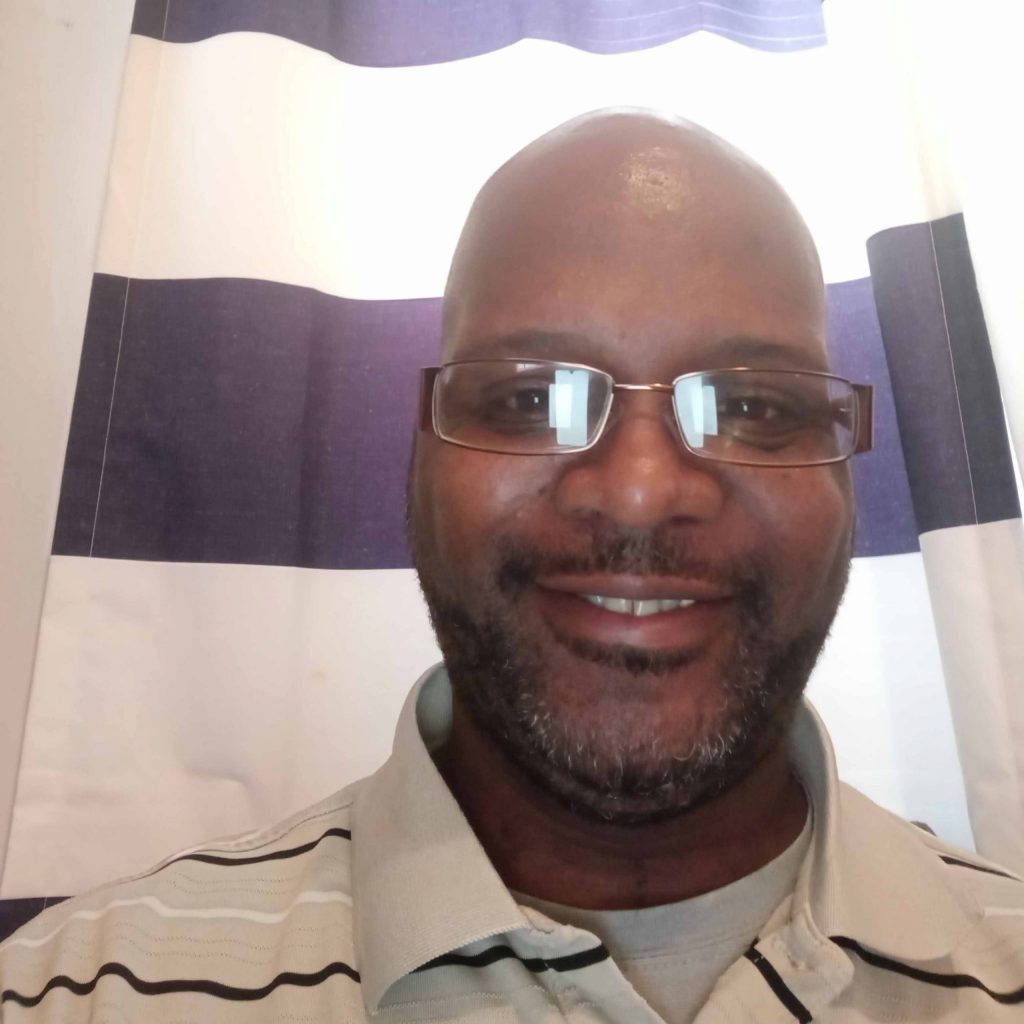
Dr. Ricardo Anderson is a Certified Recovery Support Specialist (CRSS), a co-facilitator of a recovery group for all types of addictions, serves on the Executive Board for WISE as well as the Leadership Board for Peer Professionals. He is an advocate to help eliminate the stigma of mental health among individuals, the community and people of color.


Here are some specific examples of what partnership with us can look like. Every plan is customized — this is just a starting point.
Classroom wellbeing auditClassroom teachers assess their current wellbeing supports, identify specific strengths and gaps, and actively engage with research-based strategies to create an action plan for supporting student wellbeing in the classroom. This audit is more than a checklist—it’s a mirror that reflects how your everyday choices shape the mental health and wellbeing of everyone in your classroom. By pausing to rate, reflect, and plan, you will:
|
Specialized mental health skill-building workshopsThis goes beyond basic literacy to provide staff with practical skills and techniques for managing specific situations and promoting positive mental health within the school. Examples
|
Adult SEL developmentJust as students benefit from developing social-emotional skills, so do adults. Adult SEL focuses on educators understanding their own emotions, managing impulses, setting goals, showing empathy, building healthy relationships, and making responsible decisions. Examples
|
Integration of mental health into curriculumEmbedding mental health education within the regular curriculum normalizes these topics, reduces stigma, and equips all students with foundational knowledge and skills related to their emotional well-being. Rogers’ understanding of key mental health concepts can inform curriculum development. Examples
|
Mental health literacy trainingThis partnership focuses on equipping school staff with a foundational understanding of mental health concepts, common disorders in children and adolescents, and the importance of early identification and intervention. Examples
|
Trauma-Informed practicesTrauma-informed practice recognizes the widespread impact of trauma and understands potential paths for recovery. In a school setting, this means understanding that students (and staff) may have experienced trauma and that these experiences can affect behavior, relationships, and learning. Training helps staff recognize the signs of trauma, respond in a way that avoids re-traumatization, and create a safe and supportive environment. It also includes understanding secondary trauma or compassion fatigue that educators may experience when working with individuals who have experienced trauma. Examples
|
Mindfulness and stress reduction workshops for staffMindfulness involves paying attention to the present moment without judgment. Stress reduction techniques are practical strategies designed to lower physiological and psychological responses to stress. Training in these areas equips educators with tools to manage the inherent demands and pressures of their job, cultivate a sense of calm, and increase their capacity to be present and responsive. Examples
|
Building resilience (CLE)Resilience is the ability to adapt well in the face of adversity, trauma, tragedy, threats, or significant sources of stress. Training in resilience helps educators identify their strengths, develop positive coping mechanisms, cultivate optimism, and build strong support networks. Examples
|
Enhancing school climate – for the staffSchool climate refers to the quality and character of school life. A positive school climate for staff is characterized by trust, respect, collegiality, collaboration, and a sense of belonging. Consultation focuses on identifying areas for improvement and implementing strategies to foster a more supportive and positive environment. Examples
|
Needs assessment and strategic planning (CLE)A systematic process of gathering information about the current state of staff wellbeing within the school, identifying key stressors, and understanding the needs and preferences of the staff. This data then informs the development of a targeted and effective plan for implementing wellbeing initiatives. Examples
|
Developing supportive policies and practicesExamining existing school policies, procedures, and unwritten norms to identify those that may contribute to staff stress or hinder wellbeing. Consulting on modifications or new policies that actively promote a healthy work environment. Examples
|
Consultation on school mental health systemsThis involves leveraging Rogers’ understanding of best practices in mental health care to advise schools on the development and implementation of comprehensive systems that support student and staff well-being. Examples
|
Integrating wellbeing into existing structuresEmbedding wellbeing initiatives within the school’s existing operational framework rather than treating them as separate, add-on programs. This ensures long-term sustainability and demonstrates that wellbeing is a priority. Examples
|
Leadership coachingCoaching specifically designed for school administrators and team leaders. This focuses on developing their leadership skills related to supporting staff wellbeing, creating a positive team culture, and effectively managing workplace dynamics that can impact stress levels. Examples
|
Individual wellbeing coachingA confidential and supportive partnership between a trained coach and an individual staff member. The coach helps the staff member identify their wellbeing goals, explore challenges, develop strategies, and build self-awareness and resilience. This is particularly helpful for staff experiencing high levels of stress, burnout, or those seeking to proactively enhance their wellbeing. Examples
|
Instructional coaching with a wellbeing lensIntegrating conversations and support around wellbeing into existing instructional coaching cycles. This recognizes that teacher wellbeing is intertwined with their classroom practice and provides a holistic approach to support. Examples
|
Peer coaching programsTraining selected staff members to serve as peer coaches for their colleagues. This leverages internal expertise and fosters a culture of mutual support within the school. Peer coaches can provide a confidential and relatable source of support, sharing strategies and offering encouragement. Examples
|