

I was honored to be one of the guest speakers at the August 2021 WISE Coalition meeting on The Intersection of Race and Mental Health: Trauma in Education and Treatment. This blog is a response to the survey results asking us to continue the conversation. I have a strong desire to help move our conversation to action. It is our hope for this blog and the one that will follow, that we help eliminate the stigma of mental health and provide a safe space for individuals to comment, provide resources, and to engage in transparency about solutions to assist Black and Brown individuals to have a voice about our experiences and perspectives.
Mental health issues are prevalent in Black and Brown Americans, however, the historical dehumanization, oppression, trauma, and violence against Black and Brown people continue to fuel the ongoing mental health crisis. Black and Brown communities are more inclined to say that mental illness is associated with shame, embarrassment, and a sign of “weakness.” Furthermore, the lack of cultural competency among providers that leads to their clients not being affirmed or understood and are often misdiagnosed which reinforces Black and Brown Americans distrust in seeking services. Black and Brown Americans mental health matters and we must find effective outlets to tell our truths and experiences for systematic change. Policies can be changed, and new ones written that allow us the same opportunities to obtain equitable mental health services as our counterparts without the backlash of disparities because of our race.
This table dispels some of the stigma about mental health in Black and Brown communities.
| Black and Brown Community Myths | The Reality |
| Mental Health illness is a sign of “weakness” | Real Strength is facing challenges as they arise |
| People are seen as “Crazy” who have mental health issues | People with all diagnoses can learn how to take control of their mental health and live a satisfying life |
| Family Culture of “secrecy and privacy” about mental health issues is being “strong” | Being “Strong” is the ability find strategies to discuss your mental health openly and to obtain sincere help |
Life during this pandemic (COVID-19) already has a host of stressors from family crises, job-related issues, to health concerns. Now coupled with the added stressors of “the new normal,” many individuals lack the coping capacities and strategies to effectively deal with the overwhelming emotional burden these may cause. Some may be unsure if they should seek out a mental health professional, particularly Black and Brown individuals. Ask yourself if you have any disruptions in your activities of daily living (ADL’s) – sleeping, eating, enjoying once pleasurable activities, working, socializing, thought processes, etc. This is just a start, you can continue this self-evaluation by seeking input from safe outlets such as trusted family, friends, telehealth, and online sites. You can discuss your mental health or barriers you experience to seeking mental health services. Family and friends should also monitor the mental welfare of those around them. Bring attention to a loved one who is “out of sorts,” or behaving differently than usual.
Education surrounding mental illness and normalizing mental health problems may help individuals recognize that treatment for a mental health problem doesn’t have to be any more shameful than treatment for a physical health problem.
Breaking down the stigma involves a two-pronged approach, increasing the number of culturally competent providers and changing the narrative surrounding mental illness. Let’s keep the conversation going!
We want to hear from you! Send comments you want to share with us to Blog – WISE – Initiative for Stigma Elimination.
Here are some resources you could use to further your understanding: Culturally relevant apps and websites that people can turn to for advice, resources, and even online therapy for Black and Brown individuals to discuss our mental health.
Our next WISE online Coalition Meeting entitled, “Healing Generational Trauma: The Intersection of Race and Mental Health” will be on Thursday, November 18, 2021, from 9:30am-11:30am.
Online Resources
Blog – WISE – Initiative for Stigma Elimination
How to Find a Therapist Who Understands Your Culture
Black Emotional and Mental Health (BEAM)
Indigenous Story Studio
Therapy for Latinx
Asian Mental Health Collective
Books
Community Mental Health Engagement with Racially Diverse Populations
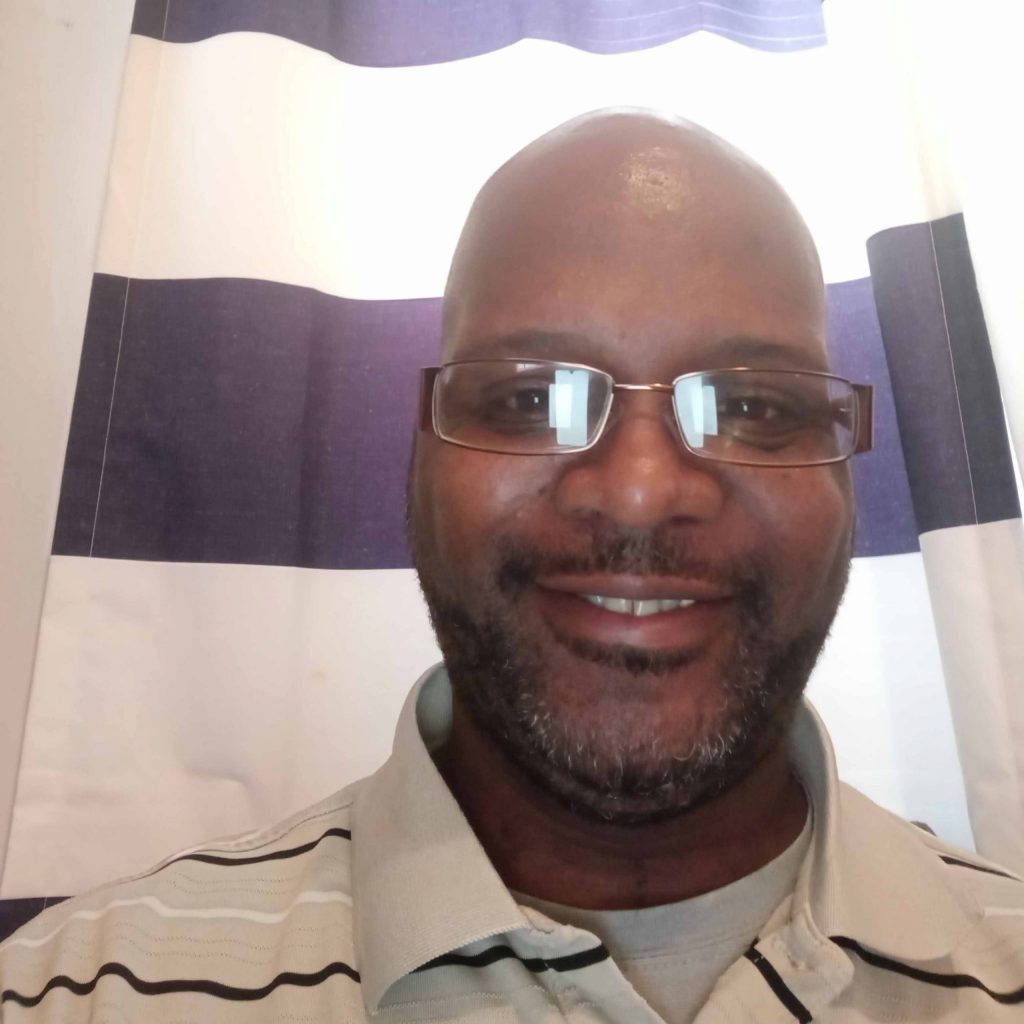
Dr. Ricardo Anderson is a Certified Recovery Support Specialist (CRSS), a co-facilitator of a recovery group for all types of addictions, serves on the Executive Board for WISE as well as the Leadership Board for Peer Professionals. He is an advocate to help eliminate the stigma of mental health among individuals, the community and people of color.


Here are some specific examples of what partnership with us can look like. Every plan is customized — this is just a starting point.
Classroom wellbeing auditClassroom teachers assess their current wellbeing supports, identify specific strengths and gaps, and actively engage with research-based strategies to create an action plan for supporting student wellbeing in the classroom. This audit is more than a checklist—it’s a mirror that reflects how your everyday choices shape the mental health and wellbeing of everyone in your classroom. By pausing to rate, reflect, and plan, you will:
|
Specialized mental health skill-building workshopsThis goes beyond basic literacy to provide staff with practical skills and techniques for managing specific situations and promoting positive mental health within the school. Examples
|
Adult SEL developmentJust as students benefit from developing social-emotional skills, so do adults. Adult SEL focuses on educators understanding their own emotions, managing impulses, setting goals, showing empathy, building healthy relationships, and making responsible decisions. Examples
|
Integration of mental health into curriculumEmbedding mental health education within the regular curriculum normalizes these topics, reduces stigma, and equips all students with foundational knowledge and skills related to their emotional well-being. Rogers’ understanding of key mental health concepts can inform curriculum development. Examples
|
Mental health literacy trainingThis partnership focuses on equipping school staff with a foundational understanding of mental health concepts, common disorders in children and adolescents, and the importance of early identification and intervention. Examples
|
Trauma-Informed practicesTrauma-informed practice recognizes the widespread impact of trauma and understands potential paths for recovery. In a school setting, this means understanding that students (and staff) may have experienced trauma and that these experiences can affect behavior, relationships, and learning. Training helps staff recognize the signs of trauma, respond in a way that avoids re-traumatization, and create a safe and supportive environment. It also includes understanding secondary trauma or compassion fatigue that educators may experience when working with individuals who have experienced trauma. Examples
|
Mindfulness and stress reduction workshops for staffMindfulness involves paying attention to the present moment without judgment. Stress reduction techniques are practical strategies designed to lower physiological and psychological responses to stress. Training in these areas equips educators with tools to manage the inherent demands and pressures of their job, cultivate a sense of calm, and increase their capacity to be present and responsive. Examples
|
Building resilience (CLE)Resilience is the ability to adapt well in the face of adversity, trauma, tragedy, threats, or significant sources of stress. Training in resilience helps educators identify their strengths, develop positive coping mechanisms, cultivate optimism, and build strong support networks. Examples
|
Enhancing school climate – for the staffSchool climate refers to the quality and character of school life. A positive school climate for staff is characterized by trust, respect, collegiality, collaboration, and a sense of belonging. Consultation focuses on identifying areas for improvement and implementing strategies to foster a more supportive and positive environment. Examples
|
Needs assessment and strategic planning (CLE)A systematic process of gathering information about the current state of staff wellbeing within the school, identifying key stressors, and understanding the needs and preferences of the staff. This data then informs the development of a targeted and effective plan for implementing wellbeing initiatives. Examples
|
Developing supportive policies and practicesExamining existing school policies, procedures, and unwritten norms to identify those that may contribute to staff stress or hinder wellbeing. Consulting on modifications or new policies that actively promote a healthy work environment. Examples
|
Consultation on school mental health systemsThis involves leveraging Rogers’ understanding of best practices in mental health care to advise schools on the development and implementation of comprehensive systems that support student and staff well-being. Examples
|
Integrating wellbeing into existing structuresEmbedding wellbeing initiatives within the school’s existing operational framework rather than treating them as separate, add-on programs. This ensures long-term sustainability and demonstrates that wellbeing is a priority. Examples
|
Leadership coachingCoaching specifically designed for school administrators and team leaders. This focuses on developing their leadership skills related to supporting staff wellbeing, creating a positive team culture, and effectively managing workplace dynamics that can impact stress levels. Examples
|
Individual wellbeing coachingA confidential and supportive partnership between a trained coach and an individual staff member. The coach helps the staff member identify their wellbeing goals, explore challenges, develop strategies, and build self-awareness and resilience. This is particularly helpful for staff experiencing high levels of stress, burnout, or those seeking to proactively enhance their wellbeing. Examples
|
Instructional coaching with a wellbeing lensIntegrating conversations and support around wellbeing into existing instructional coaching cycles. This recognizes that teacher wellbeing is intertwined with their classroom practice and provides a holistic approach to support. Examples
|
Peer coaching programsTraining selected staff members to serve as peer coaches for their colleagues. This leverages internal expertise and fosters a culture of mutual support within the school. Peer coaches can provide a confidential and relatable source of support, sharing strategies and offering encouragement. Examples
|